

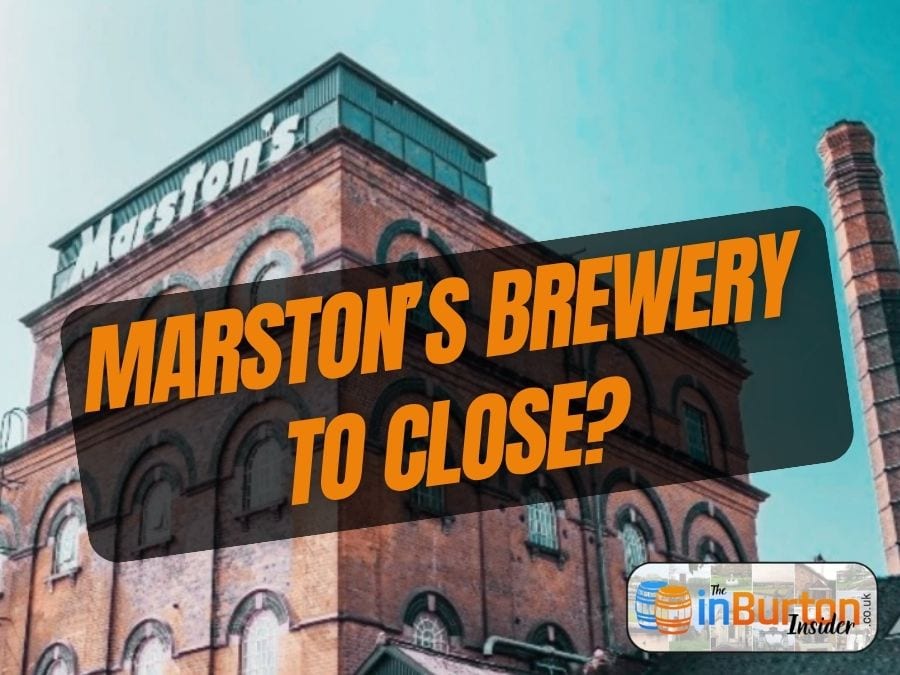
Historic Marston’s Brewery Faces Closure in Major Blow to Burton’s Brewing Heritage
Historic Marston’s Brewery in Burton could close in summer 2027, putting jobs and nearly 200 years of brewing heritage at risk.
Carlsberg Britvic has announced proposals to close Marston’s Brewery on Shobnall Road, along with its main on-site logistics operation, as demand for traditional cask ale continues to decline across the UK.
The announcement, made on Thursday 8 October, will come as deeply disappointing news for Burton, as a town whose name has been associated with brewing for generations.
While the closure is not yet confirmed and a consultation process is expected to take place, the prospect of losing such a historic brewery raises serious concerns about local employment and the future of Burton’s brewing heritage.
Nearly 200 Years of Brewing History at Risk
Marston’s is far more than just another brewery. It is part of the fabric of Burton upon Trent.
The business traces its roots back to 1834, when John Marston began brewing at the Horninglow Brewery. In 1898, the company moved to the Albion Brewery on Shobnall Road, where it has remained ever since.
For almost two centuries, Marston’s has helped establish Burton’s reputation as one of the most important brewing towns in the world. Its beers, particularly the famous Marston’s Pedigree, have become synonymous with traditional British brewing, while generations of local people have built their working lives around the brewery.
Burton's unique water, rich in minerals from the surrounding geology, helped make the town internationally famous for producing distinctive pale ales.
It is a history that few towns anywhere in the country can match.
And while Burton will always be proud of that remarkable heritage, there is something particularly special about having historic breweries that are still working, still employing local people and still producing beer in the town where their stories began.
The loss of Marston’s would therefore be about considerably more than the closure of a factory. It would mean losing another living connection to the industry that helped build Burton. What Does the Closure Mean for Local Jobs?
Perhaps the most immediate concern is the potential impact on the people who work at the brewery and its associated logistics operation.
At present, the number of jobs that could be affected has not been confirmed in the information released.
However, a closure of this scale would clearly have significant implications for employees and their families, as well as potentially affecting other local businesses that provide goods and services to the site.
Brewing has supported generations of Burton families, with skills and experience often passed down through the years.
Those skills are an important part of the town’s industrial identity, and losing experienced brewers, production workers and logistics staff would represent a considerable loss of local expertise.
Carlsberg Britvic has acknowledged the seriousness of the proposals and says it intends to support employees throughout the consultation and transition process.
The brewery and its main logistics operation are expected to continue running while the consultation takes place.
For those whose livelihoods depend on the site, however, the coming months will understandably be a worrying time. Why Is Carlsberg Britvic Proposing the Closure?
The company has pointed to the continuing decline in demand for traditional cask ale.
According to Carlsberg Britvic, UK cask ale volumes have fallen by more than half over the past decade, with the downward trend expected to continue.
The company says it needs to concentrate its operations on products and areas of the drinks market where demand is stronger.
Although the brewery itself faces closure, Carlsberg Britvic intends to retain several well-known ale brands, including Hobgoblin, McEwan’s and Brooklyn.
It is also looking at finding alternative ownership arrangements for its other cask and regional ale brands.
However, the future brewing locations of individual beers, including those closely associated with Burton, will be an important question for customers and the town alike.
For Burton, the distinction matters. A familiar beer name surviving is welcome, but it is not quite the same as that beer continuing to be brewed in the town that made it famous. A Dramatic Change from Previous Plans
What makes the announcement particularly disappointing is that it follows earlier ambitions to develop the Burton brewery into a major centre for traditional and craft brewing.
In 2024, the former Carlsberg Marston’s Brewing Company announced plans to invest more than £6 million in its Burton operations.
At the time, the company outlined its ambition to establish the site as a national centre for craft beer and traditional ale brewing, including improvements to its cask ale production facilities.
Just two years later, the future of the entire brewery is now in question.
The proposed closure also follows the retirement of the brewery’s historic Burton Union fermentation system in 2024.
That distinctive method of brewing, closely associated with Marston’s Pedigree, had been part of the town’s brewing tradition for generations.
Some of the historic equipment was subsequently transferred to other breweries, while equipment was also retained at the Burton site for preservation.
The latest announcement raises further questions about how the remaining brewing heritage at Marston’s will be protected if the site eventually closes. What Would This Mean for Burton?
Burton upon Trent is recognised around the world for its brewing history.
For generations, the town’s breweries have shaped its economy, its buildings, its communities and even its identity.
The industry has provided thousands of jobs over the years and helped put Burton on the international map.
Today, brewing remains one of the things that makes the town distinctive.
Losing Marston’s would be a substantial blow, not simply because of the potential loss of employment, but because every historic brewery that disappears makes it harder to maintain that direct connection between Burton’s celebrated past and its working present.
There is a difference between being a town famous for having brewed beer and being a town that continues to brew it.
Fortunately, Burton still has an active brewing industry, skilled people and a wealth of knowledge that has been developed over generations.
The town also has a growing appreciation of the importance of preserving and celebrating its brewing history.
But the proposed loss of Marston’s is a reminder that this heritage cannot be taken for granted. What Happens Next?
The proposals will now be subject to consultation, with the brewery and its primary logistics operation expected to remain open during that period.
If the closure goes ahead, operations are expected to end in summer 2027.
There are still important questions to be answered, particularly regarding the number of jobs at risk, the future of beers currently produced at the brewery, and what will happen to the historic Shobnall Road site.
There will also be considerable local interest in whether alternative proposals could emerge that might preserve brewing activity or protect employment.
For now, the future remains uncertain. A Town That Deserves to Keep Brewing
Burton has faced changes to its brewing industry before, and its ability to adapt has been part of its story for generations.
But the proposed closure of Marston’s would be one of the most significant changes to the town’s brewing landscape in recent years.
It would mean the potential loss of skilled jobs, an important local employer and a brewery whose history stretches back almost 200 years.
Burton's brewing heritage is not simply something to be remembered in museums or celebrated on old photographs. It is something that deserves to remain a living, working part of the town.
Whatever happens during the consultation, protecting local livelihoods, preserving historic brewing skills and finding a positive future for the site should be priorities.
Because Burton isn't just a town where beer was once made. It's a brewing town. And we should all hope it stays that way. |
More from The InBurton Insider

Oct 7, 2026
Henhurst Hill set to reopen as junction work passes halfway point
Burton drivers will once again be able to use Henhurst Hill from Friday as work on the new £500,000 traffic light junction moves into its next stage

Oct 7, 2026
Staffordshire pothole crews notch up record month of repairs
Burton roads are among those benefiting as Staffordshire highways crews complete a record 5,067 repairs in September
Sep 23, 2026
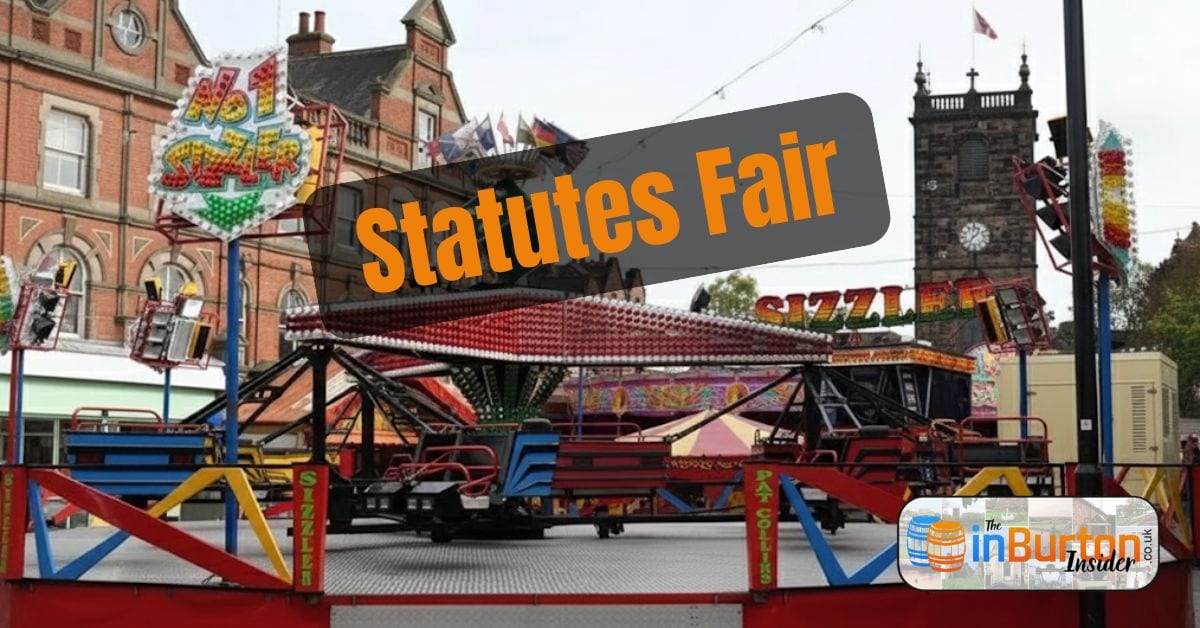
When is the Statutes Fair in Burton-on-Trent?
Here are the details of when you can enjoy the Statutes Fair in Burton in 2026.
Sep 16, 2026
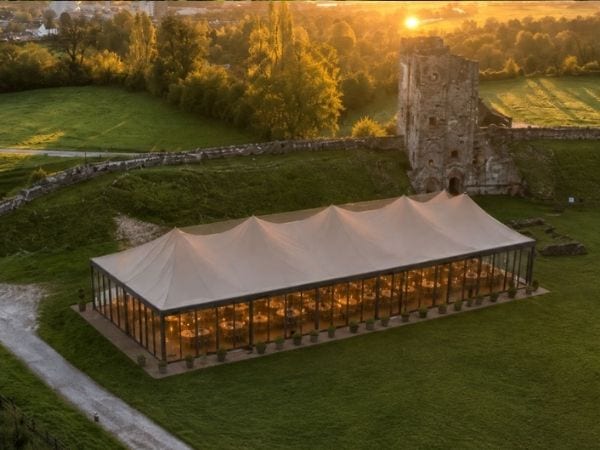
Big plans revealed for a new chapter at Tutbury Castle
Sunday lunches in the castle grounds, overnight stays, weddings, shepherd huts, a new café and even a possible slide down the Mount are among Bespoke Inns’ ambitious plans for one of our area’s best-known landmarks.
0 Comments
Join the conversation
Be the first to comment
Share your thoughts above.